
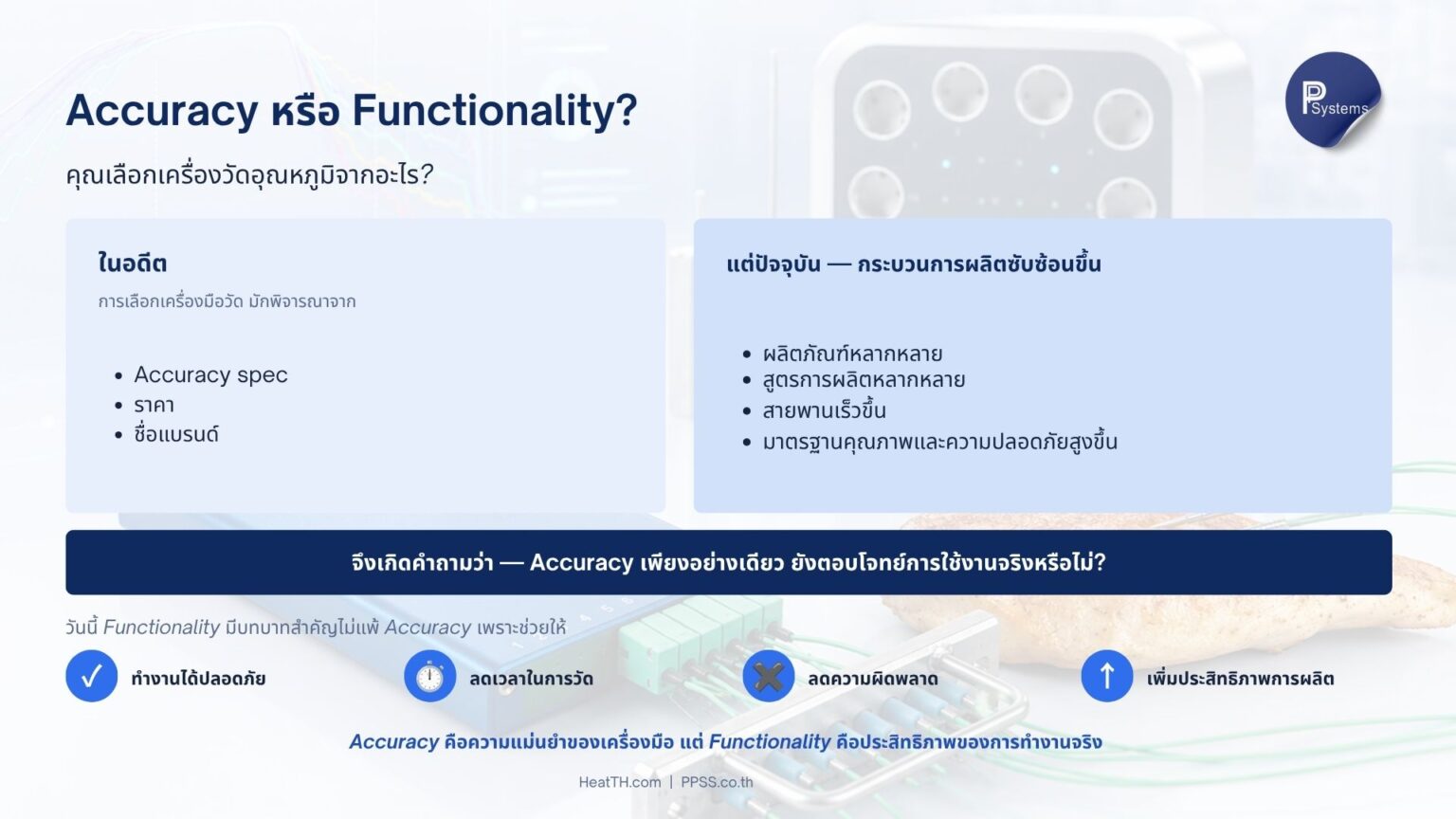
These criteria may have been sufficient when production processes were less complex. Today, however, the food industry has changed significantly. Modern manufacturers must deal with:
As production becomes more complex, choosing the right temperature measurement instrument requires looking beyond accuracy alone.
These changes mean that selecting a temperature measurement instrument can no longer be based on accuracy alone.
While accuracy remains a fundamental requirement for any measurement instrument, in real-world production environments, functionality has become equally important in determining overall operational efficiency.
In other words, choosing the right temperature measurement instrument today means looking beyond the numbers on a datasheet and asking a more practical question:
Does this instrument actually help make the production process safer, easier, and more efficient?

These two factors are not competing with each other. Instead, they should work together.
A temperature measurement instrument with the right functionality can help manufacturers:
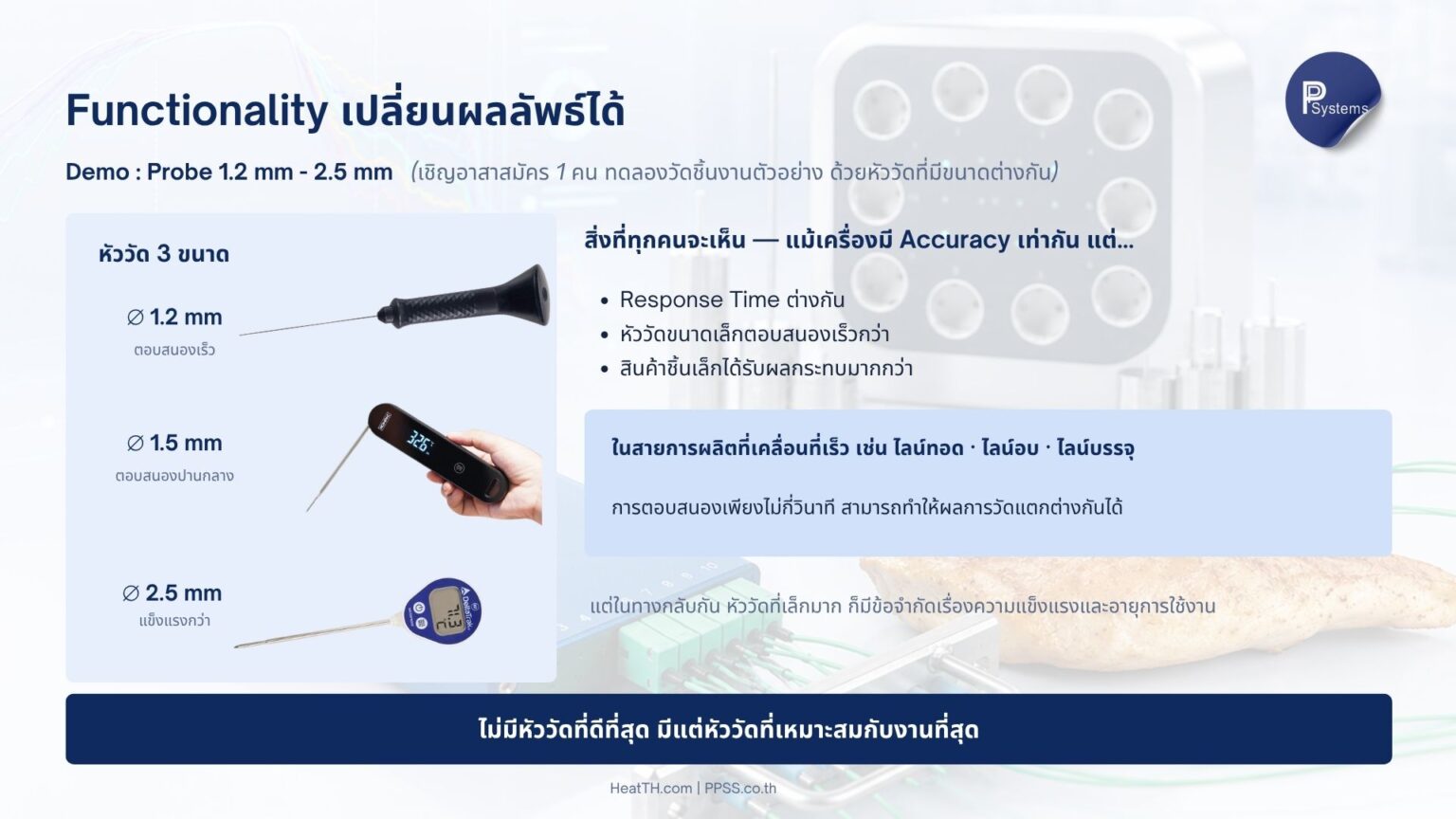
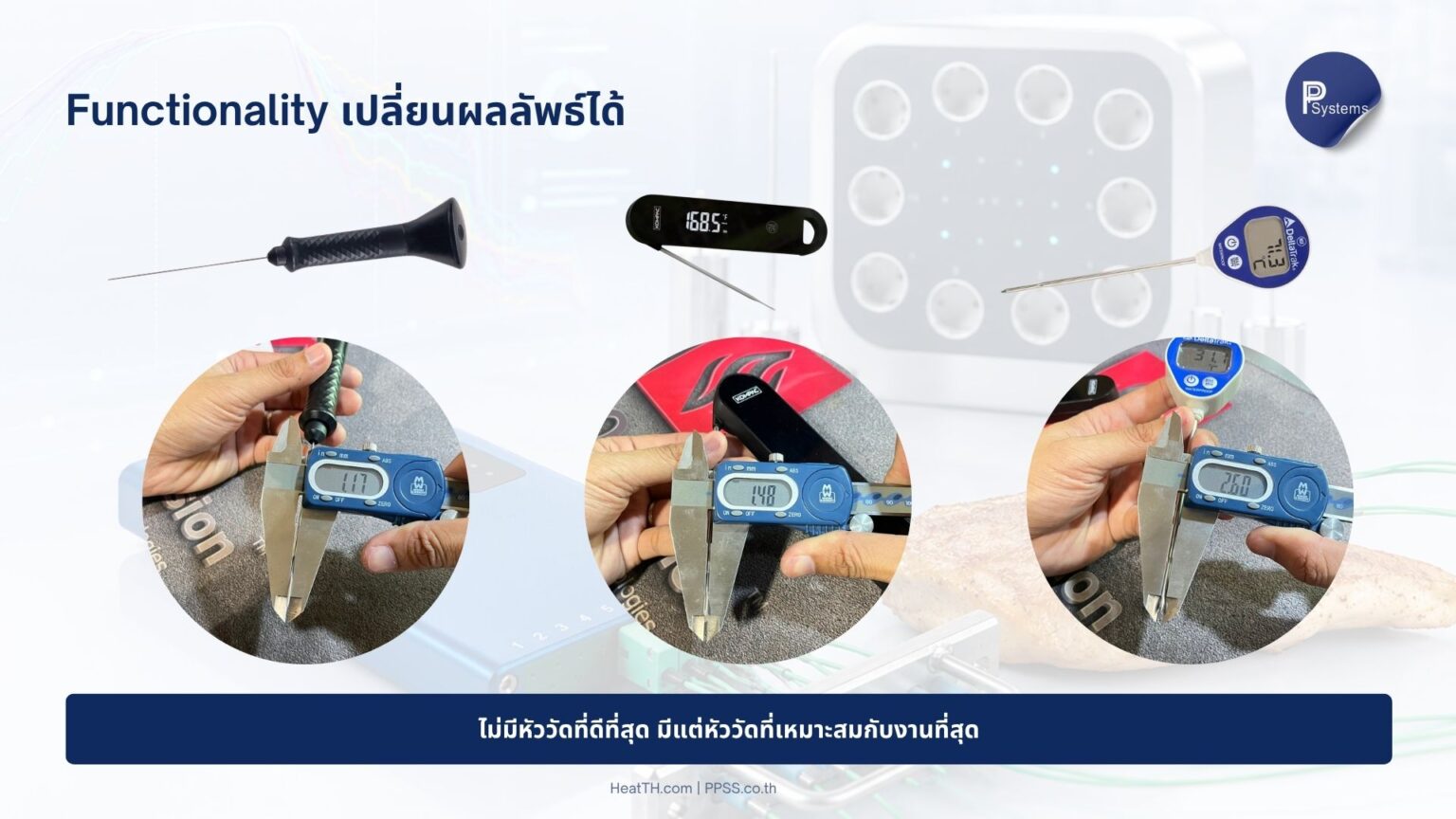
In a practical demonstration, volunteers measured the temperature of cooked duck using two different probe sizes. Although both instruments had the same specified accuracy, the measurement results were different due to differences in response time.
A smaller-diameter probe responds faster to temperature changes, and this difference becomes particularly important when measuring small food products.
In fast-moving production lines—such as frying, baking, or packaging lines—even a difference of just a few seconds in response time can affect the measured result and may prevent the instrument from capturing the product’s actual temperature at the right moment.
However, a very small probe also comes with trade-offs, particularly in terms of mechanical strength and service life.
The conclusion from this demonstration is simple:
There is no single “best” temperature probe — only the probe that is best suited to the application.

Both Ø1.2 mm and Ø2.5 mm probes may be calibrated and have the same level of specified accuracy. However, when used in actual food production processes, their measurement performance can be significantly different.
✅ Fast Response
Points to Consider
✅ Strong and Durable
Points to Consider
Selecting a temperature probe based on accuracy alone may not always provide the best measurement solution.
Other important factors should also be considered, including:
The right probe is not simply the most accurate one — it is the one that delivers the right measurement performance for the application.
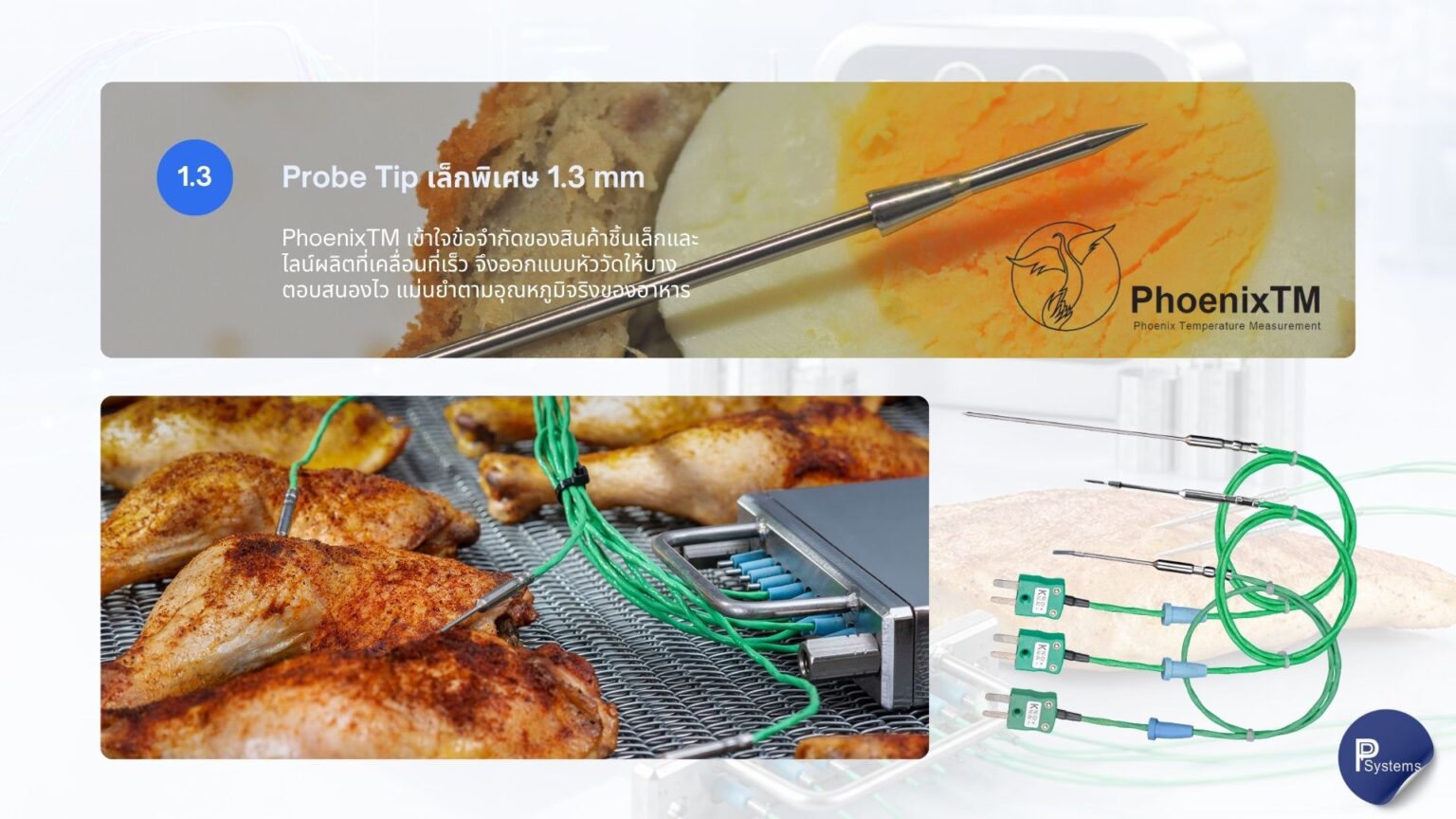
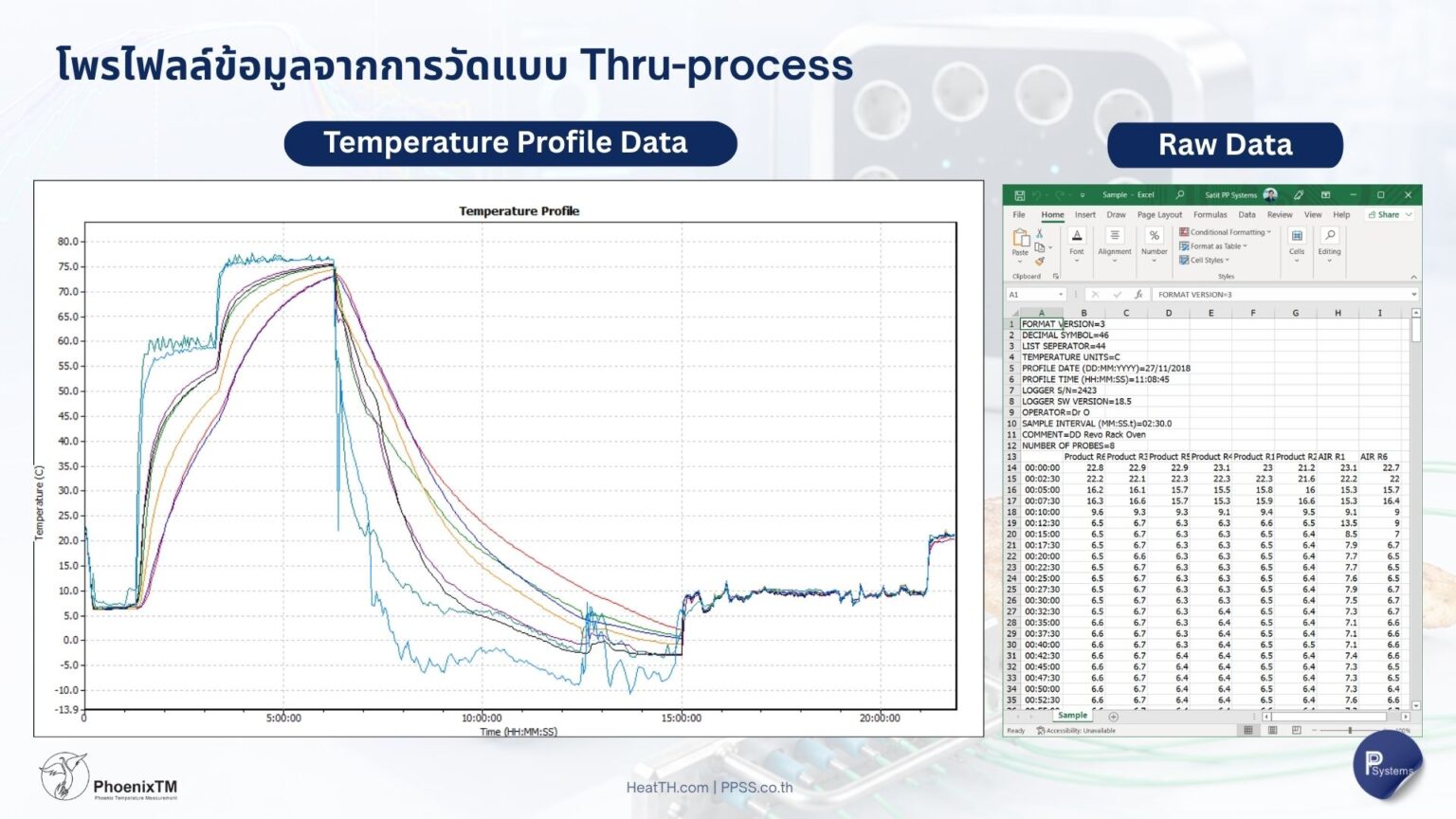
Conventional temperature measurement typically captures temperature at only a specific point in time. In contrast, PhoenixTM Through-Process Temperature Profiling allows the Data Logger to travel with the product through the actual production process, continuously recording both temperature and time throughout Heating, Holding, and Cooling.
Understanding that small food products and fast-moving production lines require faster sensor response, PhoenixTM offers probe tips as small as 1.3 mm, helping the measurement respond quickly and better represent the product’s actual temperature conditions.
Choosing an instrument that is not suitable for the real production environment can create additional problems—damaged thermocouple cables, cables trapped by oven doors, product movement, inaccurate temperature readings, and ultimately the need to repeat the test.
And every repeated measurement means additional time and unnecessary production cost.
Every temperature measurement has a cost. If the data cannot be trusted, that cost is wasted.
This is why Through-Process Temperature Profiling is about more than accuracy—it is about obtaining reliable, representative data under real production conditions.
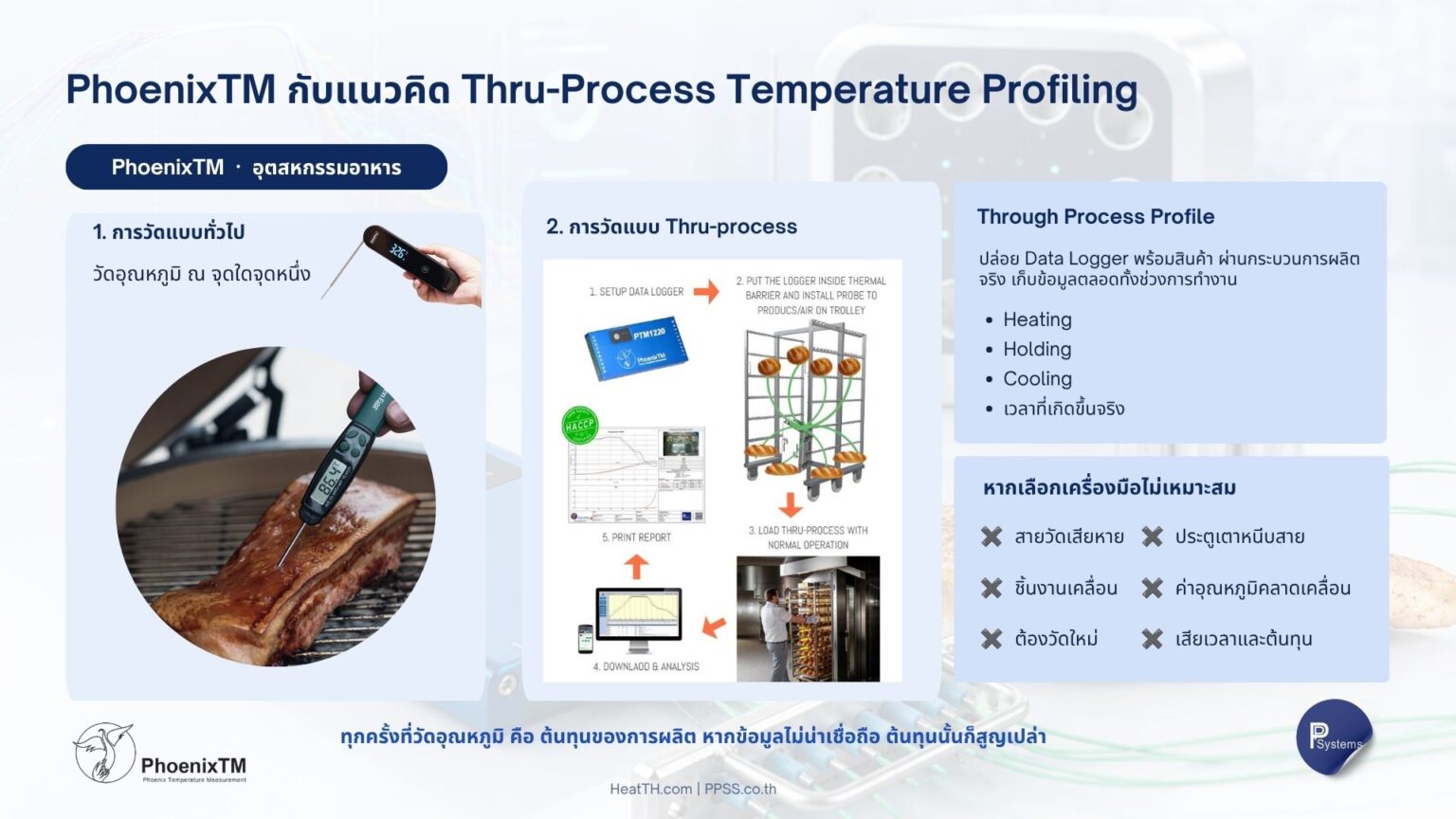
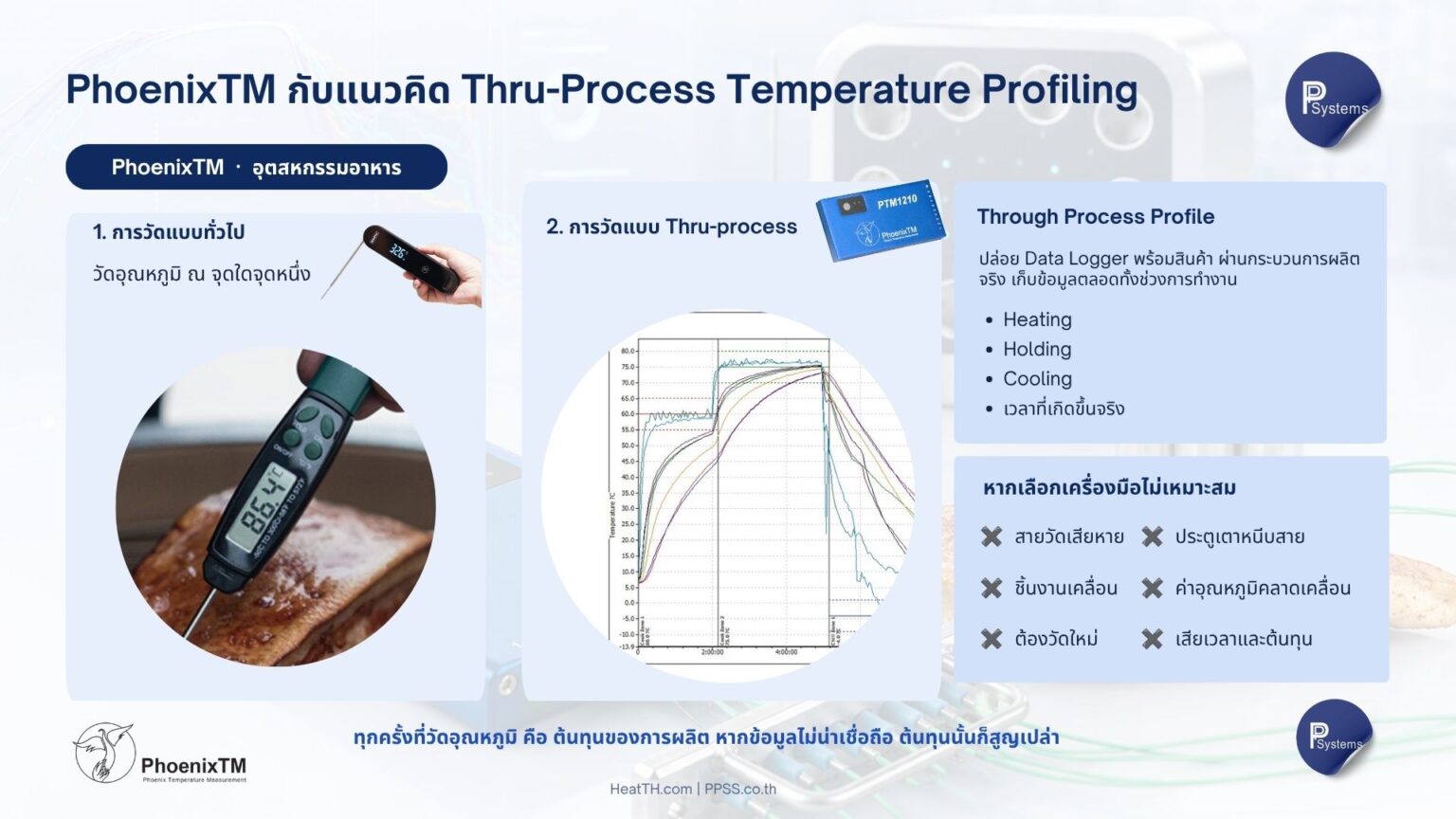
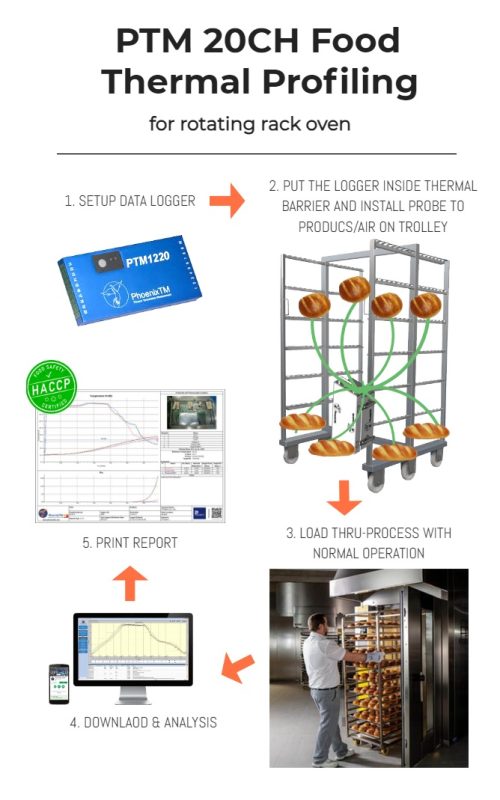
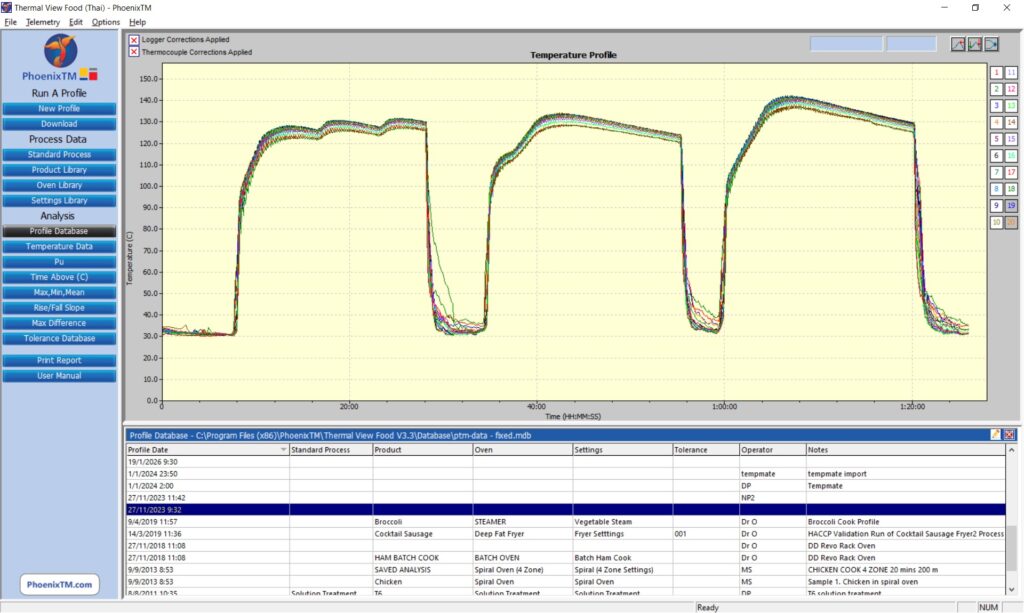
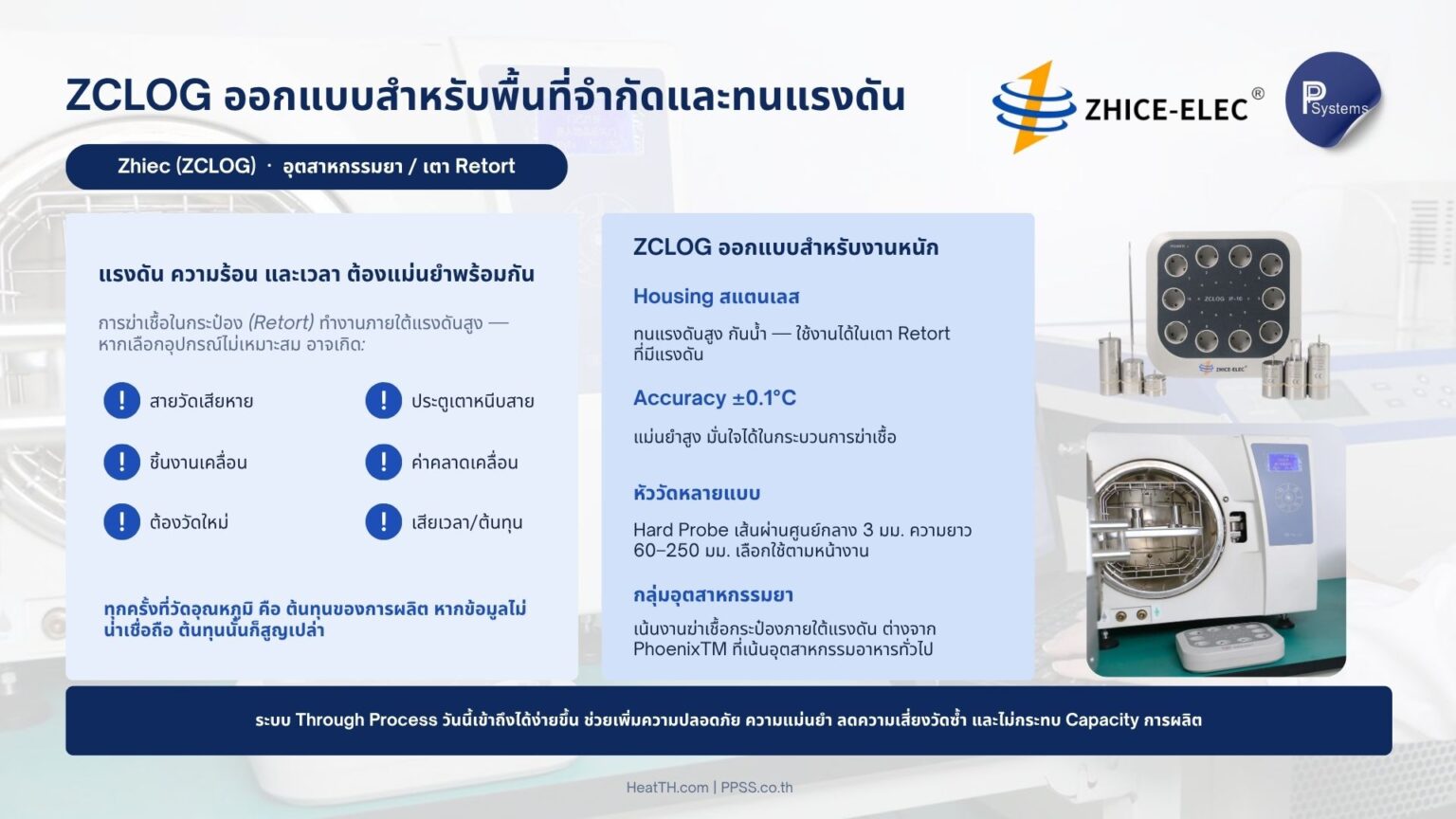
While PhoenixTM is primarily designed for food processing applications, another demanding area of temperature measurement is sterilization in retort systems, where products are processed under high temperature and pressure. These applications are widely found in the pharmaceutical and canned food industries.
Using measurement equipment that is not designed for these harsh conditions can create several risks, including damaged sensor cables, product movement, measurement errors, and the need to repeat the validation process.
ZCLOG by Zhiec is designed specifically for these demanding applications. Its robust stainless-steel housing provides high-pressure resistance and waterproof protection, while offering temperature accuracy of ±0.1°C.
A variety of probe configurations are available, including Hard Probes and Soft Probes, with a 3 mm diameter and lengths ranging from 60 to 250 mm, allowing users to select the most appropriate configuration for each application.
The key difference between the two solutions is their application focus:
PhoenixTM focuses primarily on through-process temperature profiling for general food production, while ZCLOG by Zhiec is particularly suited to high-pressure sterilization and retort applications in pharmaceutical and canned food processing.
The good news is that Through-Process Temperature Measurement is now more accessible than ever. With the right system, manufacturers can improve operator safety, measurement reliability, and process efficiency, while reducing the risk of repeated measurements and minimizing disruption to overall production capacity.
Better measurement is not only about better accuracy — it is about collecting reliable data without compromising the production process.
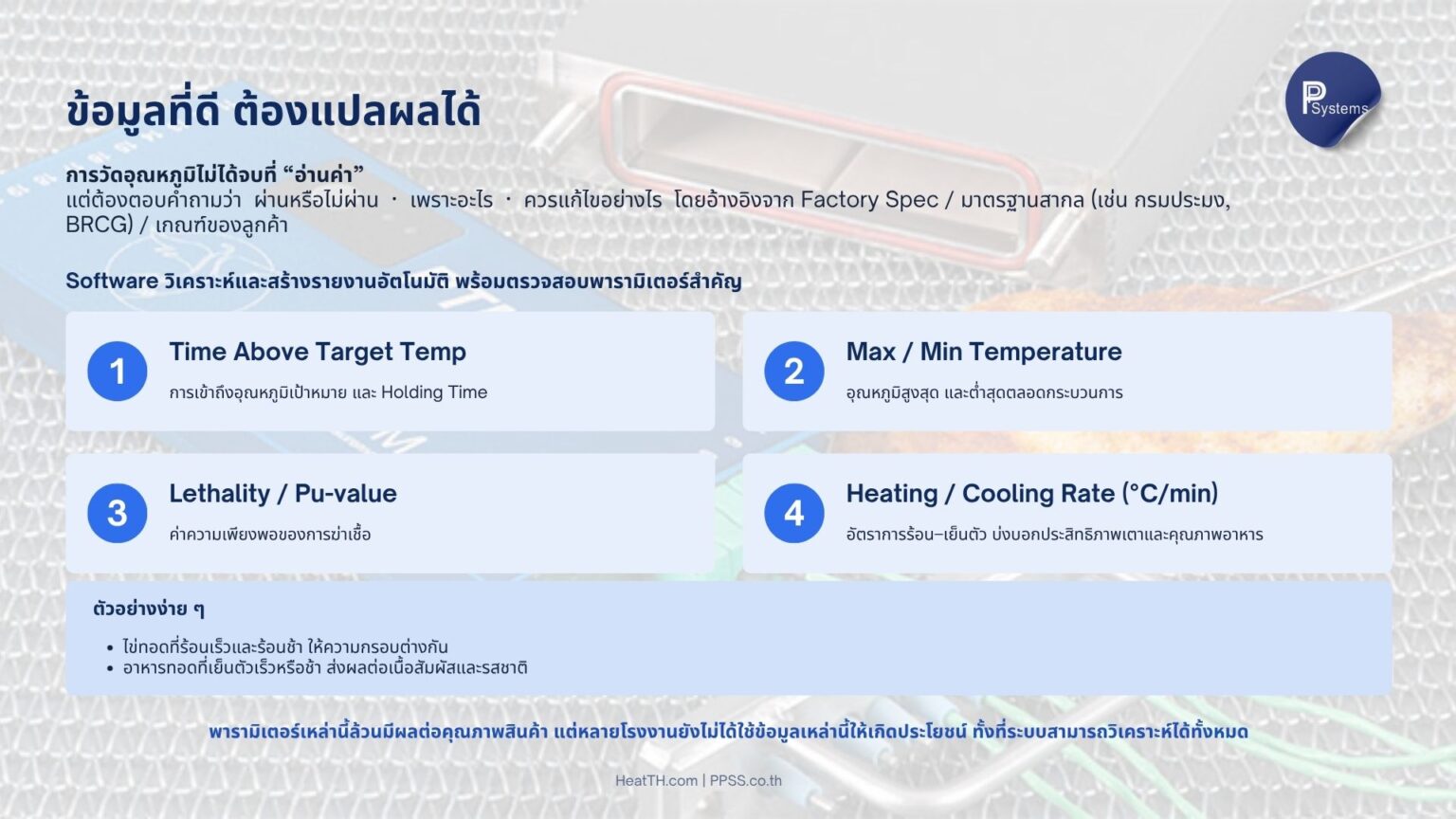
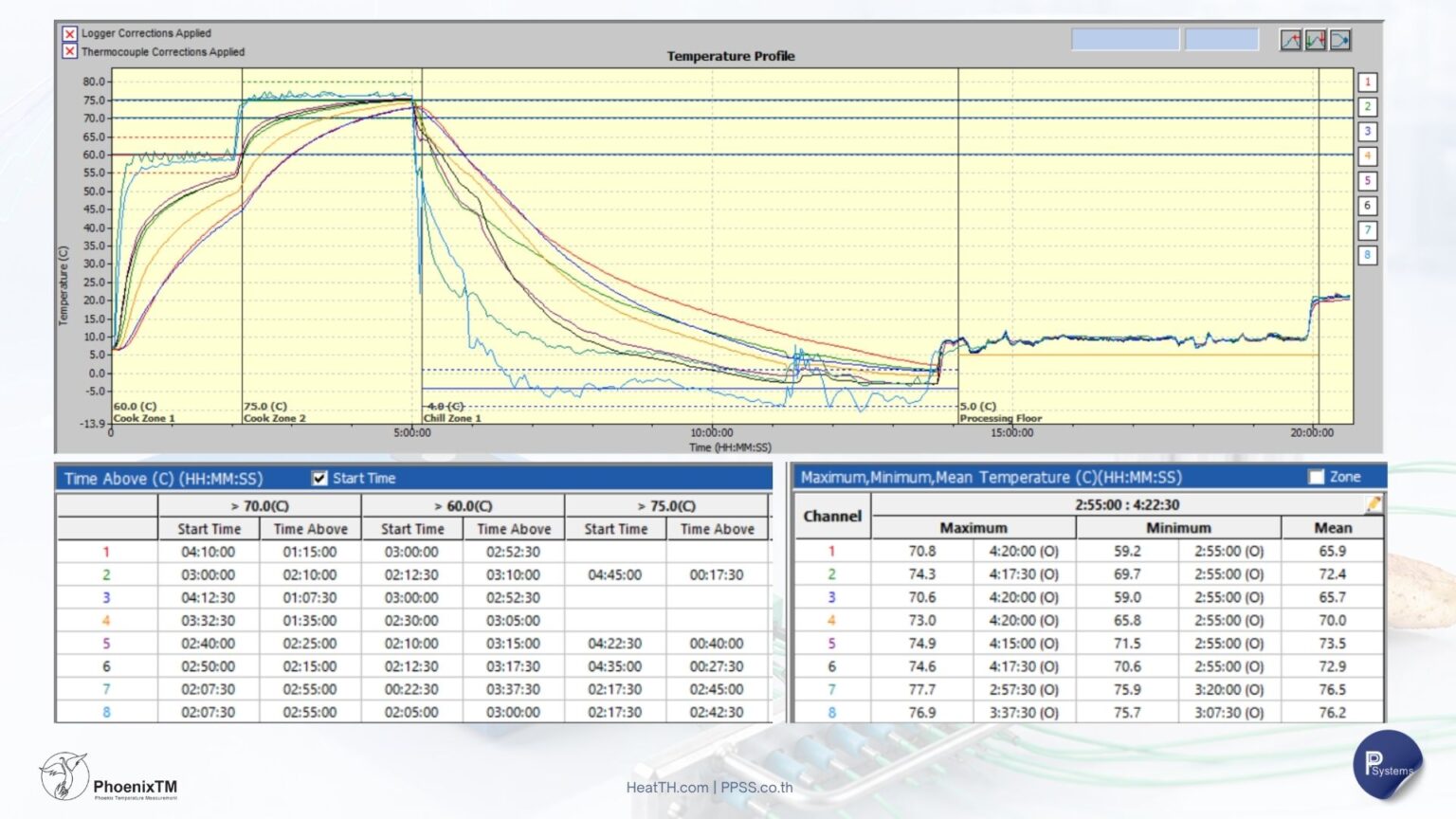
Temperature measurement should not end with simply “reading a temperature.” The data should help answer three important questions:
Did the process pass or fail? Why? And what should be improved?
The evaluation should be based on relevant requirements, including factory specifications, regulatory or international standards, such as requirements from the Department of Fisheries or BRCGS, and individual customer specifications.
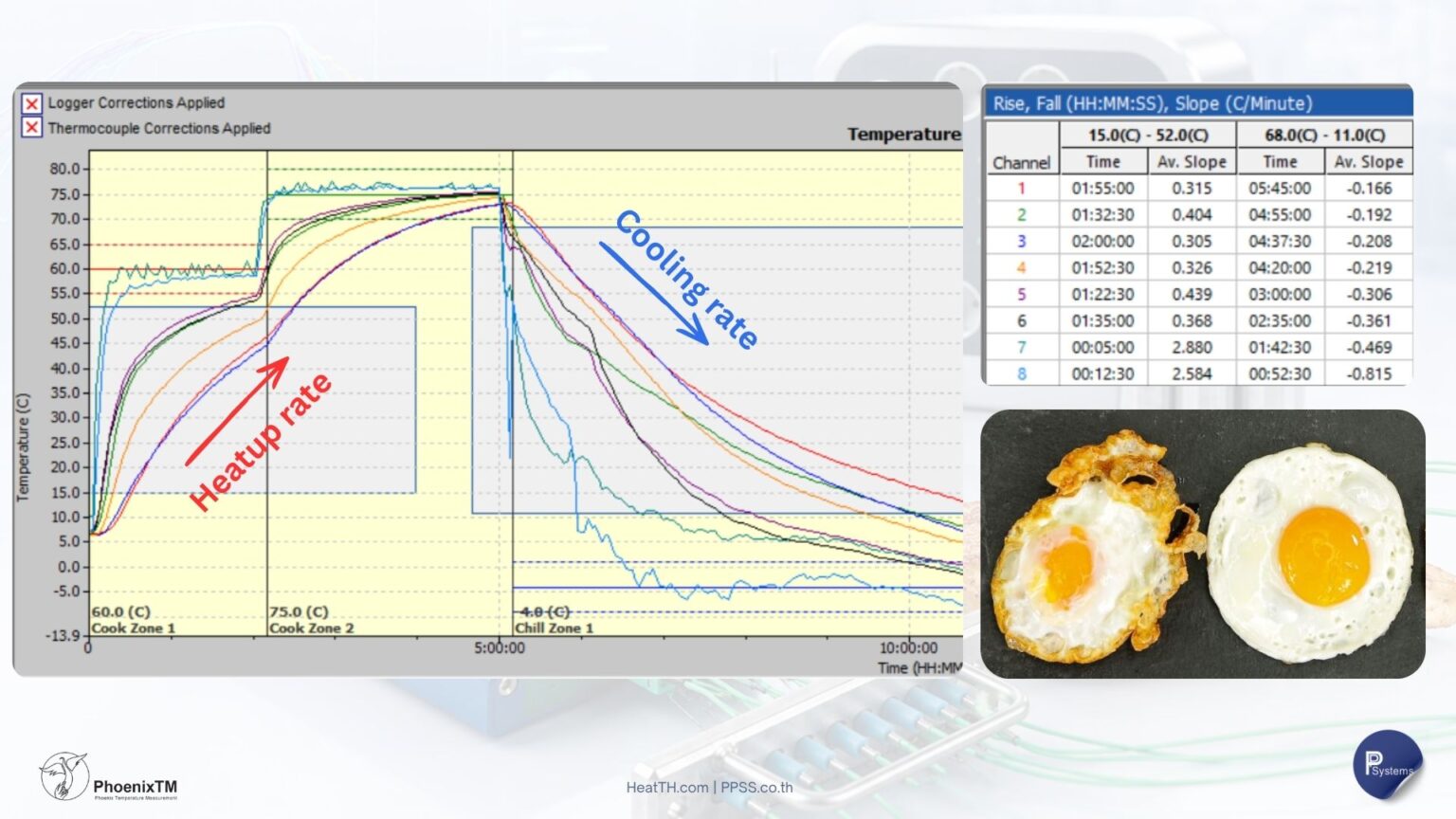
Good software should be able to analyze the temperature profile and automatically generate meaningful reports, including key process parameters such as:
A simple example is a fried egg.
An egg heated rapidly can develop a very different level of crispness compared with one heated more slowly. Similarly, in fried foods, the rate at which the product cools after cooking can influence texture, crispness, moisture retention, and ultimately the eating experience.
These parameters can directly affect final product quality, yet many manufacturers still focus primarily on the final temperature value and do not fully utilize the process data already available to them.
The real value of temperature measurement is not simply knowing the temperature — it is understanding what the temperature data tells you about your process.

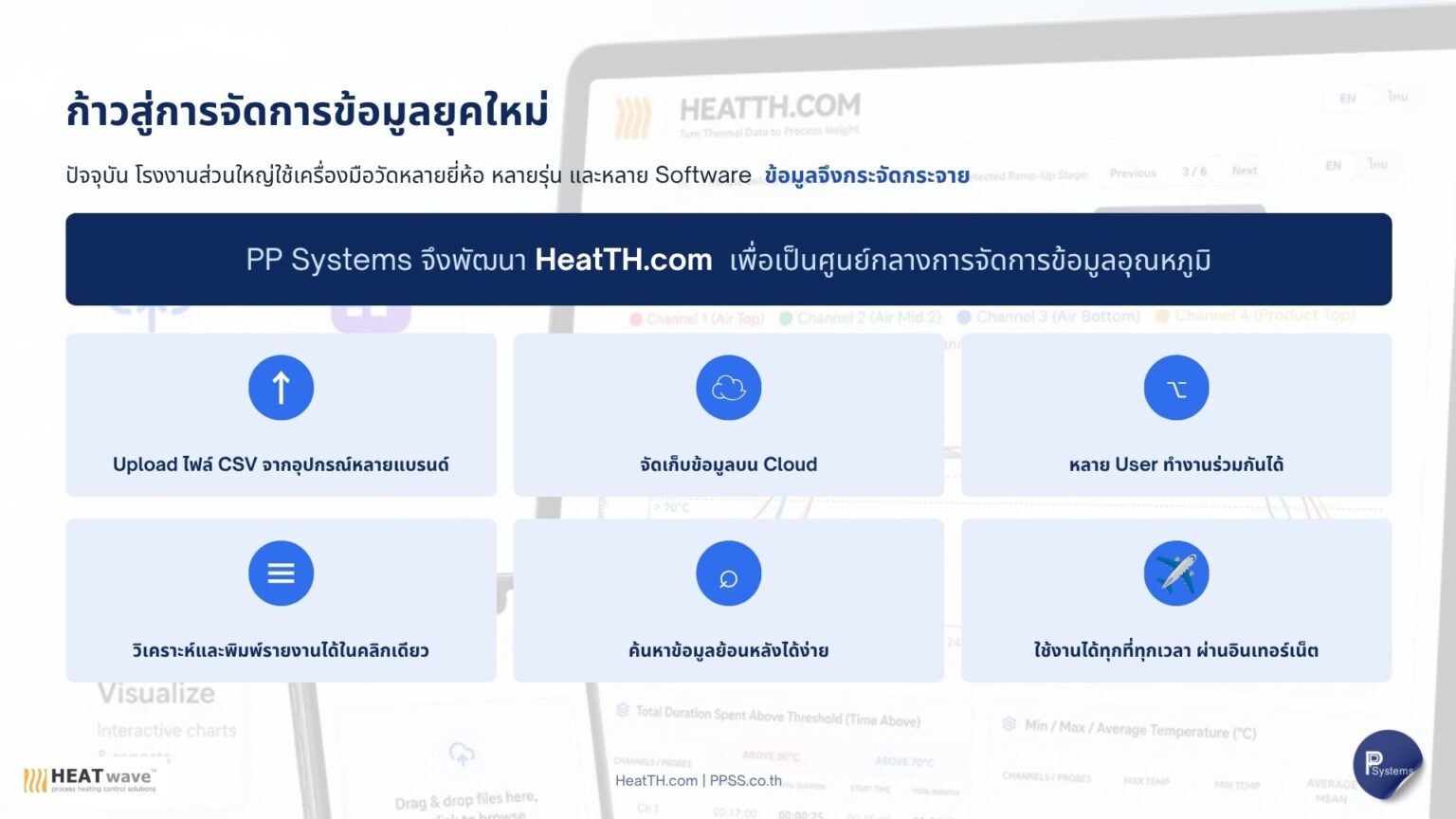
A common challenge in modern factories is the use of multiple temperature measurement instruments from different brands, models, and software platforms. As a result, valuable temperature data often becomes fragmented across different systems, making it difficult to manage, compare, and use effectively.
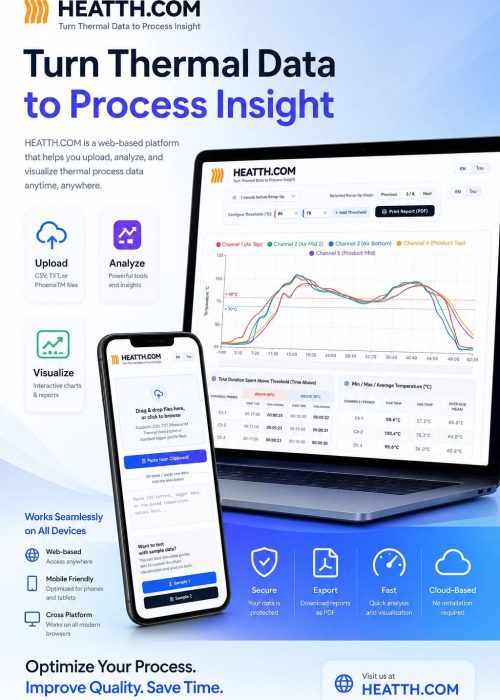
To address this challenge, PP Systems developed HeatTH.com as a centralized platform for temperature data management, bringing measurement data from different devices into one accessible environment.
HeatTH.com supports:
Instead of allowing valuable temperature data to remain isolated across different instruments and software, HeatTH.com helps transform it into a centralized, accessible, and useful source of process information.
From Temperature Measurement to Temperature Data Management.
The future of temperature measurement is not simply about choosing the instrument with the highest accuracy. It is about selecting the right solution—one that enables accurate measurement, faster analysis, and more effective data management throughout the entire process.
From selecting the right probe and measurement system for the application—such as PhoenixTM for food processing or Zhiec ZCLOG for high-pressure sterilization applications in the pharmaceutical industry—to managing and analyzing measurement data through HeatTH.com, every part of the system should work together.
HeatTH.com is now available to PP Systems customers using our temperature measurement instruments at no additional cost. The platform will continue to evolve, with new functions and capabilities being developed to support the changing needs of modern factories.
The goal is simple:
Measure accurately. Analyze faster. Manage data smarter.
Interested in finding the right temperature measurement solution for your application, or would you like to see the same practical demonstration presented during our Food Roadshow?
Contact the PP Systems team at pp@ppss.co.th or call 02-399-4930.